
 USD (US$)
 AUD (AU$)
 CAD (CA$)
 EUR (€)
 GBP (£)
 JPY (¥)
Desert agriculture in Israel is one of the country’s greatest successes, and something at which Israel leads the world. The Negev Desert which covers over 60% of the country has actually shrunk in size over the past century as agricultural activity has turned sand into green fields, the opposite to the desertification trend which much of the rest of the world is battling to prevent. Even in the depths of Israel’s Negev Desert are gems of agriculture amid the harsh, dry conditions, and relatively mineral-deprived sandy soil.
History of Desert Agriculture in Israel
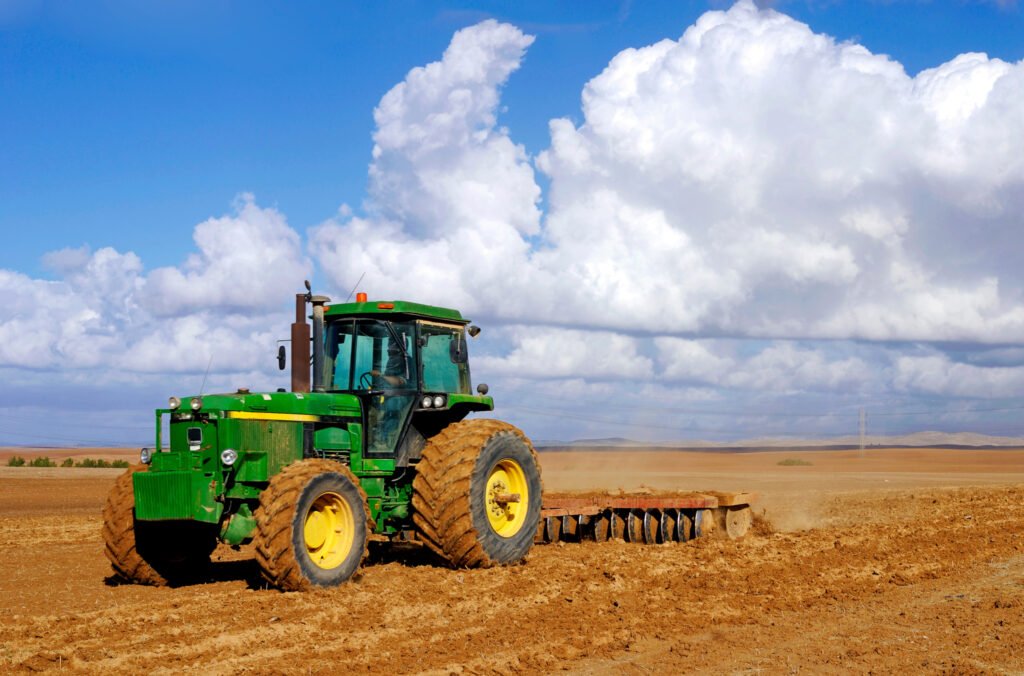
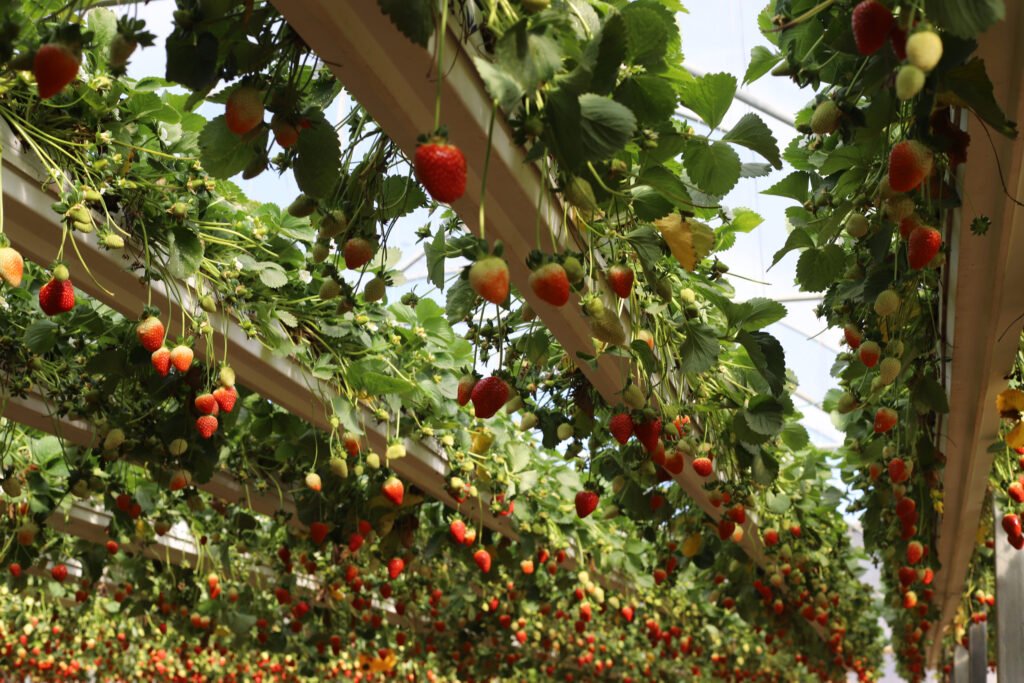
Israeli company Netafim pioneered modern drip-irrigation technology in the 1960s, transforming agriculture in arid regions. This innovation enabled farmers to use the desert’s scarce water resources with remarkable efficiency and cultivate crops in places once considered unsuitable for farming. Today, farmers in the Israeli desert successfully grow a wide range of produce in greenhouses and controlled environments, including cherry tomatoes, which have become one of the region’s signature crops. Israeli researchers and growers have also contributed to developing improved tomato varieties, particularly those suited to dry climates and saline irrigation.
Tomatoes grown in the Negev often develop a naturally sweeter taste, influenced by careful water management and the mineral composition of local water sources. Agricultural teams continue to experiment with new varieties to increase resilience and improve yields, keeping the region at the forefront of desert-agriculture research.
Alongside tomatoes, Negev farmers cultivate olive groves, operate greenhouse vegetable farms, and grow a variety of fruit and vegetable crops that respond well to desert conditions. Some growers also test experimental or specialty crops on a small scale as part of ongoing agricultural research.
The Ramat Negev Desert Agro-Research Center works closely with local farmers to develop crop varieties suited to the Negev’s climate, soil, and water conditions and to test new growing methods. The center also offers pre-arranged group visits through its Visitors Center, where guests can learn about ongoing research and desert-agriculture practices. Guided tours are available by booking, and additional tour times are sometimes offered on weekends and during holiday periods.
Reversing Desertification
In the Judean Desert, near the Northern Dead Sea (the Megilot Region), more impressive desert agriculture is taking place. Here, farmers utilize the minerals from the Dead Sea. This creates especially strong-tasting crops, including onions and basil, which is considered to be the best in the world, so much so that even the Italians are importing it. The region has historically been a center for the growth of dates, and many of the dates found in grocery stores around the world come from here. In one particular farm, the date trees have been uniquely cultivated and are, as a result, producing what is the earliest date crop in the world.
Afterward, visitors can experience the Dead Sea firsthand on our Masada, Ein Gedi, Dead Sea, & More Tour, floating in its famous mineral-rich waters and exploring the surrounding desert landscapes. For travelers eager to see even more of Israel, our Israel Package Tours offer expertly guided adventures, comfortable accommodations, and seamless transfers for a truly unforgettable journey.


